6 hr
Donsol Whale Shark Encounter
Swim with the world's largest fish in the crystal waters of Sorsogon's premier whale shark habitat
Reserve
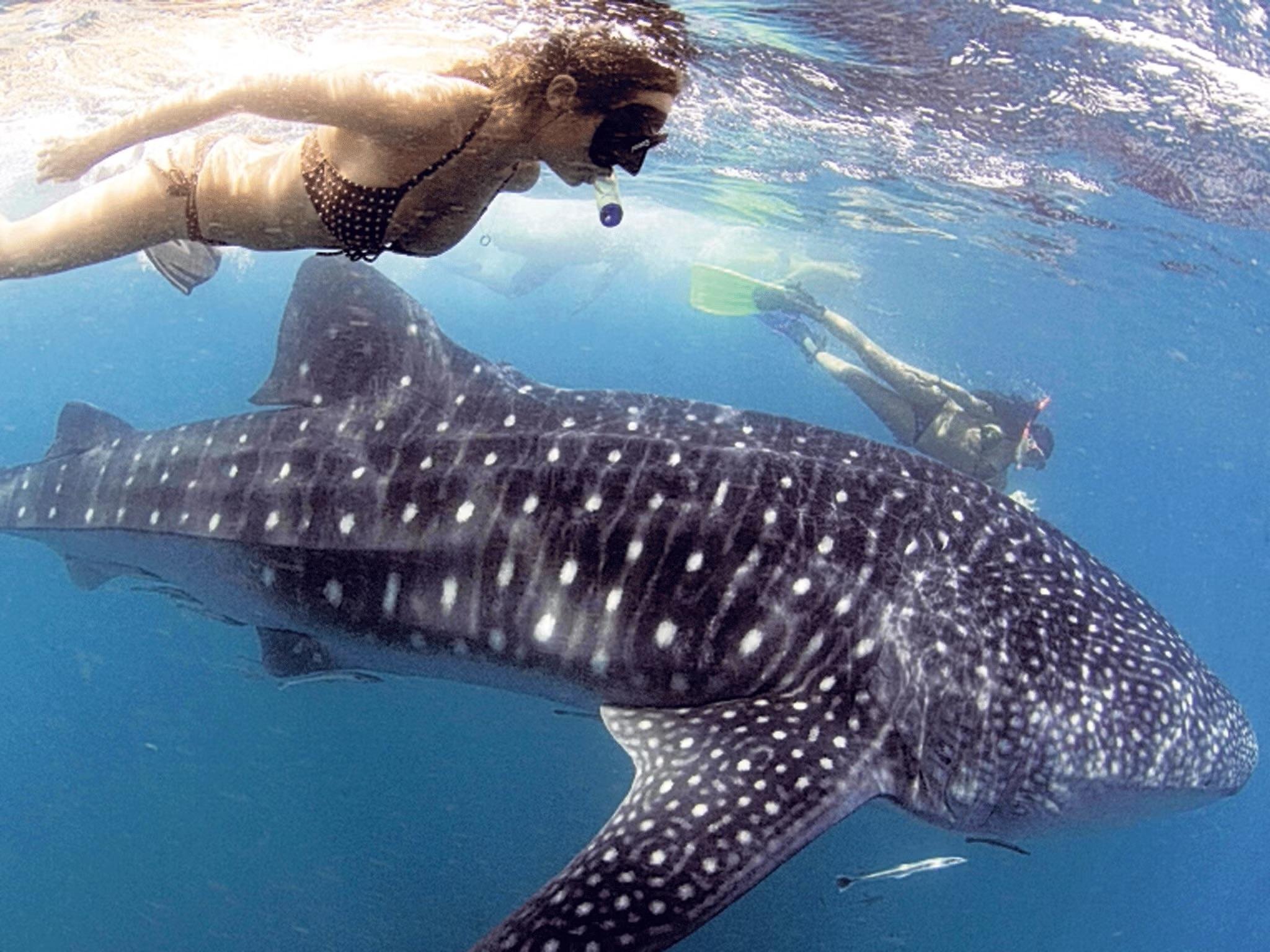
Swim alongside butanding in their sanctuary, where gentle giants gather each season.
Hand-picked by our editors — only the best 5 experiences from 12 reviewed.
Verified partners for every tour, free cancellation where available, and instant confirmation on every booking.
6 hr
Swim with the world's largest fish in the crystal waters of Sorsogon's premier whale shark habitat
Reserve
6 hr
Journey to the Bicol Region for an unforgettable day seeking gentle giants in their ocean home.
Reserve
7 hr
Journey deep into three spectacular caves featuring crystal formations, subterranean waterways, and ancient rock chambers
ReservePrices from verified partners. Availability updates in real time at checkout. Free cancellation policies apply where shown.
The landmarks, rooms, and views travelers on this tour remember — all visible on a single visit.
The primary launch point for all boat expeditions into the bay area
The central hub where vessels dock for the donsol whale shark interaction price tours
Where all visitors confirm their arrival and pay the 300 PHP conservation fee
Space for viewing safety videos before heading out for whale shark spotting
A scenic spot overlooking the waters of Sorsogon province
Donsol provides a natural wild encounter while Oslob relies on managed feeding, making the former ideal for conservation-minded travelers and the latter more suited for guaranteed sightings; see our donsol whale shark interaction price tours below.
| Feature | Top pick Donsol (Natural) | Oslob (Feeding) |
|---|---|---|
Method of Interaction |
Passive, wild encounter | Human-led feeding |
Ethical Standards |
High, non-disruptive protocols | Controversial, modifies behavior |
Whale Shark Behavior |
Migratory, natural movement | Resident, habituated to food |
Price |
300 PHP fee plus boat | 1,000 PHP plus boat/gear |
Location Accessibility |
Remote, Bicol Region | Accessible, Cebu island |
Crowd Density |
Low, boat-based spotting | High, high-volume shore launch |
| See tickets → |
Verdict: Choose Donsol for an authentic marine biology experience or Oslob for those requiring donsol whale shark interaction price tickets for a high-probability sighting.
Choose your ticket, select your date, and reserve in under two minutes. Secure checkout handled by our verified partner.
Instant confirmation by email, with a mobile voucher you can save offline. No printing, no queuing at a collection desk.
Arrive at the entrance, show your voucher on your phone, and walk in. Most tickets include priority or skip-the-line access.
Best time to go, insider tips, nearby landmarks, and the cancellation fine print — flip through to skim what matters to you.
How crowds, weather, and events shift across the year.
March to May is the peak season for sightings.
June to August brings warmer water and variable visibility.
September to November offers quieter boat interaction sessions.
December to February begins the early whale shark activity cycle.
Small details that turn a good visit into a great one.
Arrive between 06:00–08:00 to increase your success rate for spotting whale sharks.
Rent snorkeling equipment at the center if you do not have your own.
Follow the Boat Interaction Officer instructions strictly to ensure the animals remain undisturbed.
Apply sunblock well before entering the water to protect the marine environment.
Carry sufficient cash for the 300 PHP fee and additional tour costs as ATMs are limited.
Non-bookable sights within a short walk — free to visit, easy to pair.
Site of evening firefly watching tours
Coastal area for relaxing after sea excursions
Flexible, no hidden fees.
Cancellations made due to inclement weather or local authority suspension are eligible for a full refund of tour costs. The 300 PHP registration and conservation fee per foreign person is typically non-refundable once processed.
Hand-picked options within walking distance — pick a district for vibe, or a specific hotel for convenience.
Local lodge within walking distance of the center
Coastal resorts along Dancalan beach area
The butanding — Rhincodon typus, the world's largest fish — returns to Donsol's coastal waters between November and June, drawn by plankton blooms that sweep through the Ticao Pass. In 1998, local fishermen and the World Wildlife Fund established the first community-managed whale shark tourism program in Southeast Asia, transforming a struggling coastal economy into a globally recognized model of marine conservation. The municipality declared its waters a protected seascape, banned motorized vessels within interaction zones, and trained Butanding Interaction Officers to enforce strict no-touch protocols. Today Donsol hosts fewer than fifteen thousand visitors annually — a fraction of the crowds at rival sites — preserving an encounter that remains as much about stewardship as spectacle. Understanding the Donsol whale shark interaction price begins with the conservation fee structure. Foreign visitors pay three hundred pesos per person as a registration and environmental charge, collected at the Visitor Center in Barangay Dancalan. That baseline grants access to the interaction program but does not include the boat charter, guide services, or snorkeling equipment. Multi-person boat charters — typically accommodating six passengers — range from fifteen hundred to three thousand pesos depending on duration and season, effectively lowering per-person costs for group travelers. The fee funds reef monitoring, patrol operations, and the salaries of the sixty-odd BIOs who rotate duty each morning. No third-party operator can waive the conservation levy; it is a municipal ordinance, not a tour markup. The interaction itself unfolds in open water two to four kilometers offshore, where spotter boats radio coordinates to the flotilla. Encounters are passive: swimmers enter the water thirty meters ahead of a sighted whale shark and drift as the animal approaches. BIOs enforce a three-meter distance rule, prohibit flash photography, and limit each interaction to six swimmers per shark. The season peaks between February and April, when plankton density is highest and sightings approach eighty percent on calm mornings. Outside those months success drops sharply, and the Visitor Center closes entirely from July through October when monsoon swells render the pass unnavigable. Visitors booking a whale shark encounter tour should confirm departure windows — all boats leave the center between six and eight in the morning, and late arrivals forfeit their slot. The program operates seven days a week during season, with no advance reservations accepted for walk-in registration; tour operators secure group slots but individual travelers queue at dawn.
"In 1998 local fishermen and the World Wildlife Fund established the first community-managed whale shark tourism program in Southeast Asia."
Firefly watching at the Donsol River is a common activity to add to your schedule.